The State of Video Management in 2026
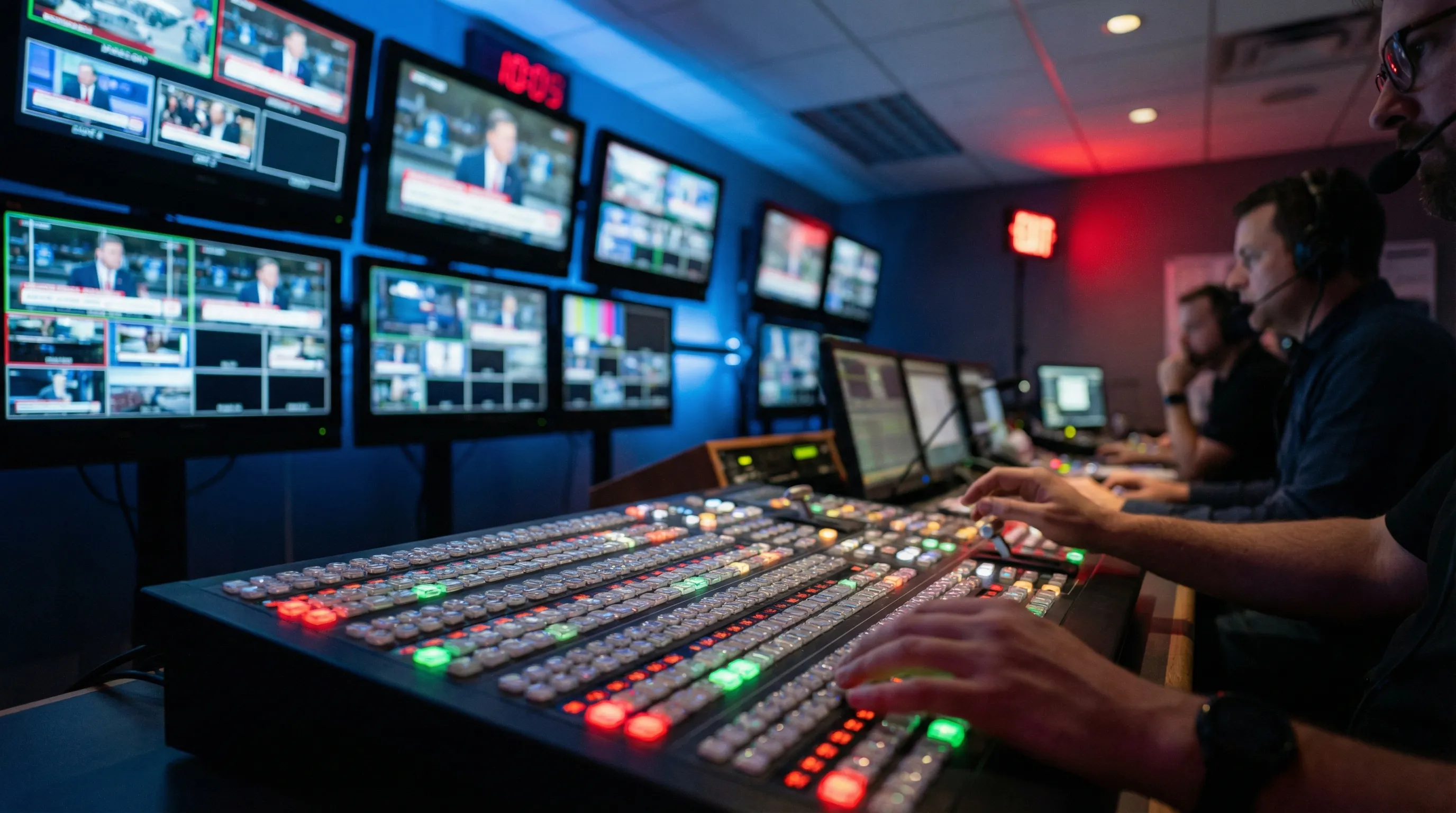
Video is no longer a nice-to-have. It is the dominant medium through which businesses communicate, train, market, and sell. From internal knowledge bases to customer-facing campaigns, the volume of video content produced by the average organization has grown at a staggering rate over the past five years. And with that growth comes a fundamental question: how do you manage it all?
In this report, we take an honest look at where video management stands in 2026, the challenges that persist, and the technologies that are finally delivering on promises the industry has been making for years.
The Numbers Tell the Story
According to recent industry analyses, the average mid-sized enterprise now produces over 500 hours of video content per year. For media companies, agencies, and entertainment brands, that number can exceed 10,000 hours annually. This is not just marketing content. It includes internal training videos, product demos, customer testimonials, event recordings, user-generated content, and AI-generated clips.
The sheer volume has exposed a gap that traditional file storage and basic digital asset management (DAM) systems were never designed to fill. Teams are drowning in content, unable to find the footage they need, duplicating effort, and losing valuable assets in sprawling folder hierarchies.
The Persistent Challenges
Despite advances in cloud storage and collaboration tooling, several pain points remain widespread in 2026:
1. Discoverability
Finding the right clip in a library of thousands of videos remains one of the most time-consuming tasks for creative and marketing teams. Manual tagging is inconsistent and incomplete. Filename conventions break down as teams scale. Without intelligent search, organizations are sitting on gold mines of content they cannot access efficiently.
2. Collaboration Across Distributed Teams
Remote and hybrid work is the norm. Video teams are spread across time zones, often including freelancers and external agencies. Sharing large video files, collecting feedback, and managing approval workflows across these distributed groups still generates friction. Email attachments, WeTransfer links, and scattered Slack threads are surprisingly common even among sophisticated organizations.
3. Version Control and Asset Integrity
Video projects go through numerous iterations. Without proper version tracking, teams risk working on outdated cuts, overwriting final versions, or losing track of which asset was approved for distribution. This is especially critical for regulated industries where compliance requires a clear audit trail.
4. Integration with Existing Workflows
Most organizations use a constellation of tools for project management, editing, publishing, and analytics. Video management solutions that operate in isolation create yet another silo. The most effective platforms in 2026 are those that integrate seamlessly with tools teams already use, from Adobe Premiere and DaVinci Resolve to Slack, Notion, and CMS platforms.
How AI Is Changing the Game
The most significant shift in video management over the past two years has been the integration of artificial intelligence, not as a gimmick or add-on, but as a foundational capability that changes how teams interact with their video libraries.
Automatic Transcription and Indexing
AI-powered transcription has matured to the point where it is fast, accurate, and multilingual. This enables full-text search across video libraries. Instead of scrubbing through hours of footage, teams can search for a spoken phrase and jump directly to the relevant moment. Platforms like WIKIO AI have made this a core part of the experience, indexing every video automatically upon upload so that content is searchable from the moment it enters the system.
Visual and Contextual Understanding
Beyond transcription, modern AI models can analyze the visual content of videos. They identify scenes, objects, people, actions, and even emotional tone. This level of understanding enables a new kind of search. Teams can query their libraries with natural language prompts like "show me all clips of outdoor product demos from Q3" and get relevant results in seconds.
Smart Tagging and Metadata Generation
Manual tagging has always been the bottleneck in DAM workflows. AI now handles this automatically, generating rich metadata that would have taken human operators hours to produce. Categories, topics, brand elements, spoken language, and content type are all identified and applied without human intervention. This dramatically improves discoverability and reduces the operational cost of maintaining a well-organized library.
Intelligent Recommendations and Reuse
AI can also surface content that teams might not know exists. When a marketer begins a new campaign brief, an AI-native platform can recommend existing footage that matches the theme, reducing production costs and accelerating time-to-market. This is a capability that WIKIO AI has invested in heavily, recognizing that the most valuable video is often content that has already been captured but never fully utilized.
The Rise of AI-Native Platforms
A key distinction emerging in 2026 is between platforms that have bolted AI onto legacy architectures and those that were built from the ground up with AI at their core. The difference is not subtle.
Legacy platforms that add AI features tend to treat them as separate modules. Search might be AI-powered, but the underlying data model, user interface, and workflow logic remain unchanged. This creates a disjointed experience where AI feels like an afterthought.
AI-native platforms, by contrast, design every interaction around intelligent automation. Upload a video, and it is immediately transcribed, tagged, indexed, and made available for search and collaboration. Start a review, and the platform suggests relevant stakeholders and surfaces previous feedback on similar content. The AI is not a feature. It is the fabric of the experience.
WIKIO AI was built with this philosophy. Every aspect of the platform, from ingestion to collaboration to distribution, is informed by AI capabilities that work together as a unified system rather than a collection of disconnected features.
What Leading Organizations Are Doing Differently
The organizations that are managing video most effectively in 2026 share several common practices:
- They centralize their video assets in a single platform rather than scattering them across drives, cloud folders, and project files.
- They invest in metadata by choosing platforms that automate tagging and categorization rather than relying on manual processes.
- They treat video as a searchable knowledge base, not just a collection of files. This means full transcription, indexing, and semantic search.
- They integrate video management with their broader toolchain, ensuring that video workflows connect to project management, publishing, and analytics systems.
- They establish clear governance, including version control, access permissions, and approval workflows that scale with their teams.
Looking Ahead
The next frontier for video management involves deeper integration with generative AI for editing and repurposing, real-time collaboration features that rival what we expect from document editors, and analytics that tie video asset usage directly to business outcomes.
The organizations that invest now in modern, AI-native video management will be best positioned to move quickly, reduce waste, and unlock the full value of their video libraries. Those that wait risk falling further behind as the volume of content continues to grow and the expectations of their teams continue to rise.
The state of video management in 2026 is one of rapid transformation. The tools are finally catching up to the scale of the problem. The question is whether your organization is ready to take advantage of them.